Human centered intelligence

AI research
Weseeks develops AI technologies centered on empathy, trust, and safety. Our research focuses on building AI that understands people, operates reliably, and functions safely in real-world environments.
Research areas

Empathetic language intelligence
We develop AI language models that understand the context and emotional tone of conversations, enabling natural and warm interactions with users.

AI care & digital health
We design care oriented AI systems that provide practical support in everyday life, such as check-ins, emotional conversations, and health-related assistance.

Relationship design
We research experiences and interactions that allow users to build natural and trustworthy relationships with AI.
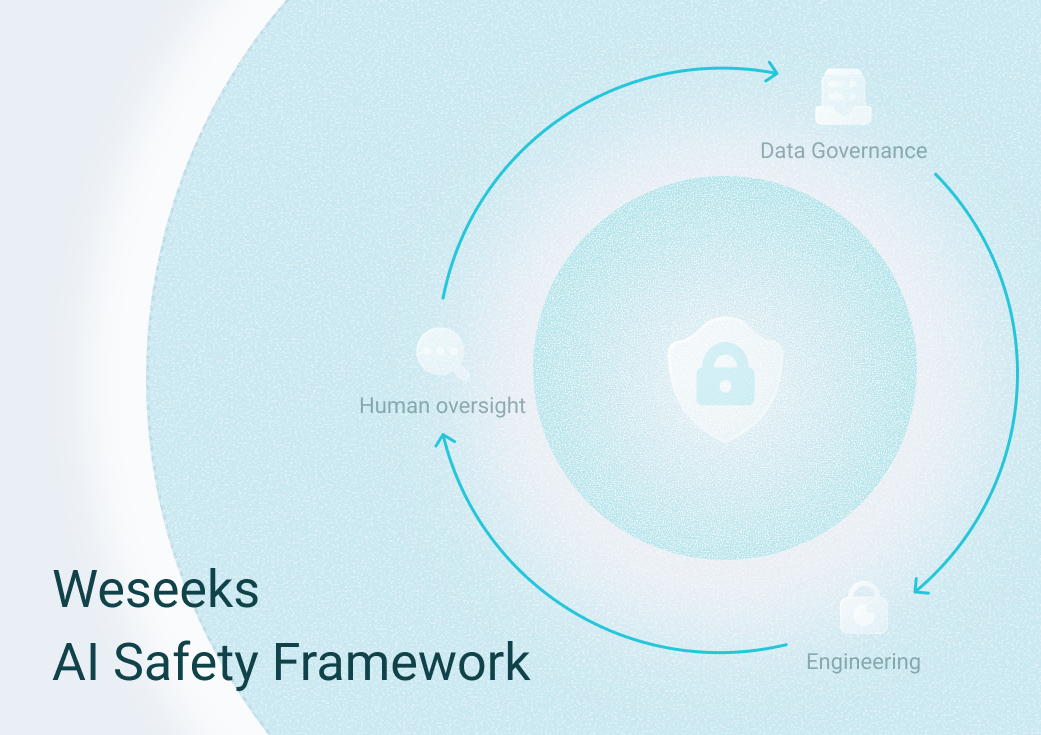
AI Safety Framework
Weseeks conducts research across various AI technologies based on human centered values and responsible AI development.
AI Red Team simulation
Through Red Team simulations, we proactively identify potential risks and continuously improve AI safety
Safety-aligned Engineering
We incorporate safety and accountability into the design and development stages of AI models, ensuring safety standards.
Ethical data governance
We maintain ethical and transparent practices across the entire lifecycle of data collection, usage, and management, operating AI services based on strict data governance principles.
Human oversight
Human oversight and control remain an essential part of AI decision making processes, strengthening the accountability and reliability of AI systems.
User protection principles
We apply design principles that consider vulnerable users, including older adults, ensuring AI systems operate safely and provide real world value.
Safety first lifecycle
Safety remains the top priority throughout the entire lifecycle of AI systems. From planning and development to deployment and operation, supported by continuous monitoring and improvement.
AI powered innovation
By combining conversational AI, real-time voice technologies, and data analytics, we create new service experiences where people and technology connect naturally.
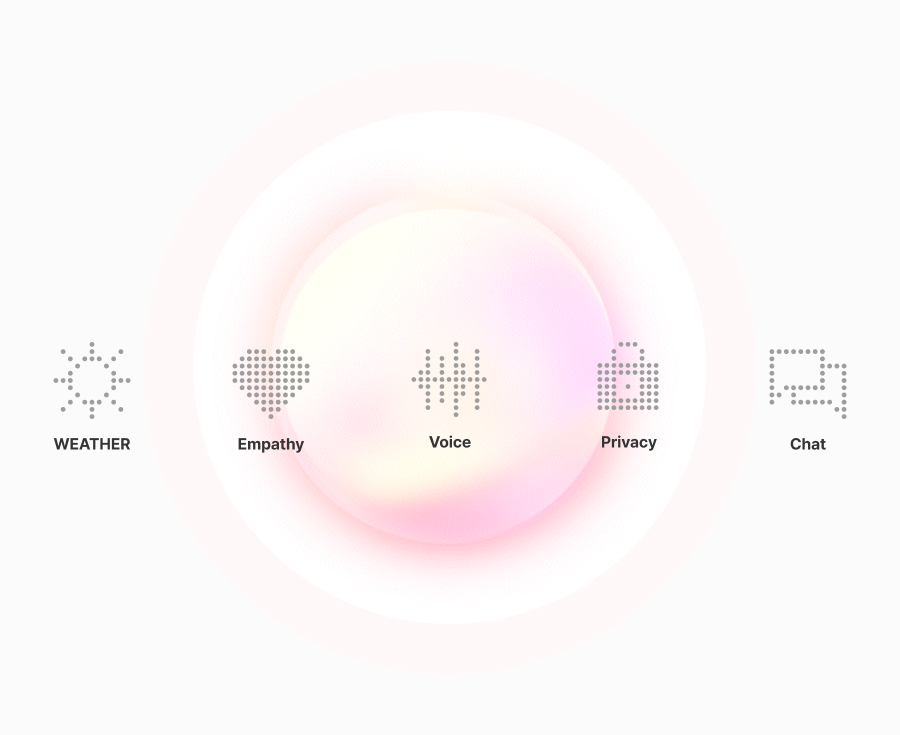
Conversational AI care
An AI care agent designed to communicate naturally with people. It understands the context of conversations, generates appropriate questions and responses, and helps check users’ daily conditions and situations through natural dialogue.
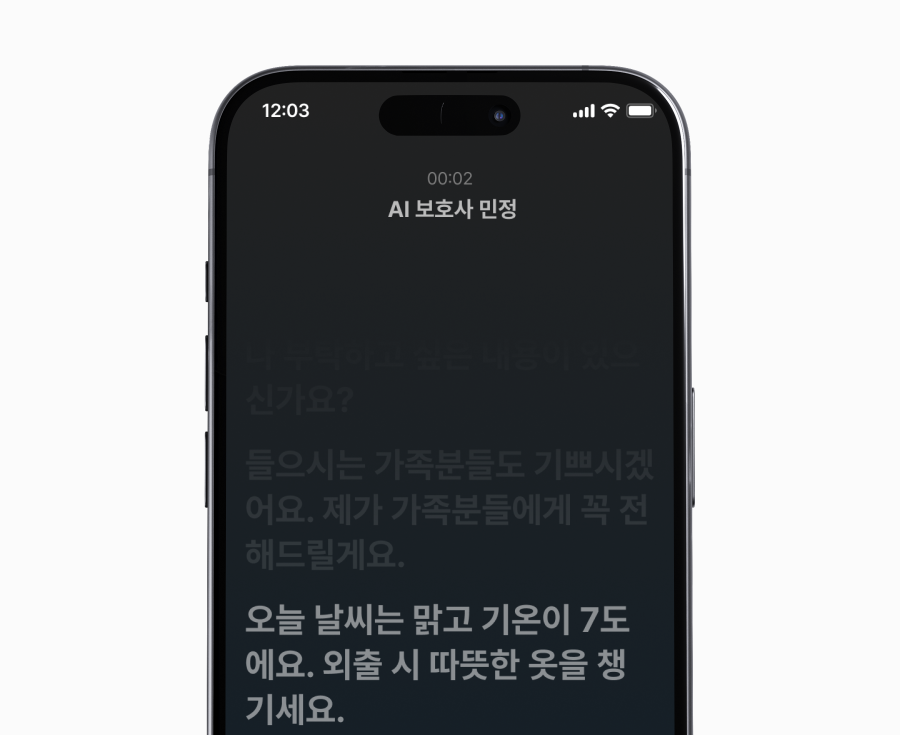
Real time voice AI
RTC-based voice technology enables real-time voice communication between AI and users. Speech recognition, language understanding, and speech synthesis work together in real time to maintain natural conversational flow. Low latency and stable call quality provide a voice interaction experience similar to speaking with a real person.
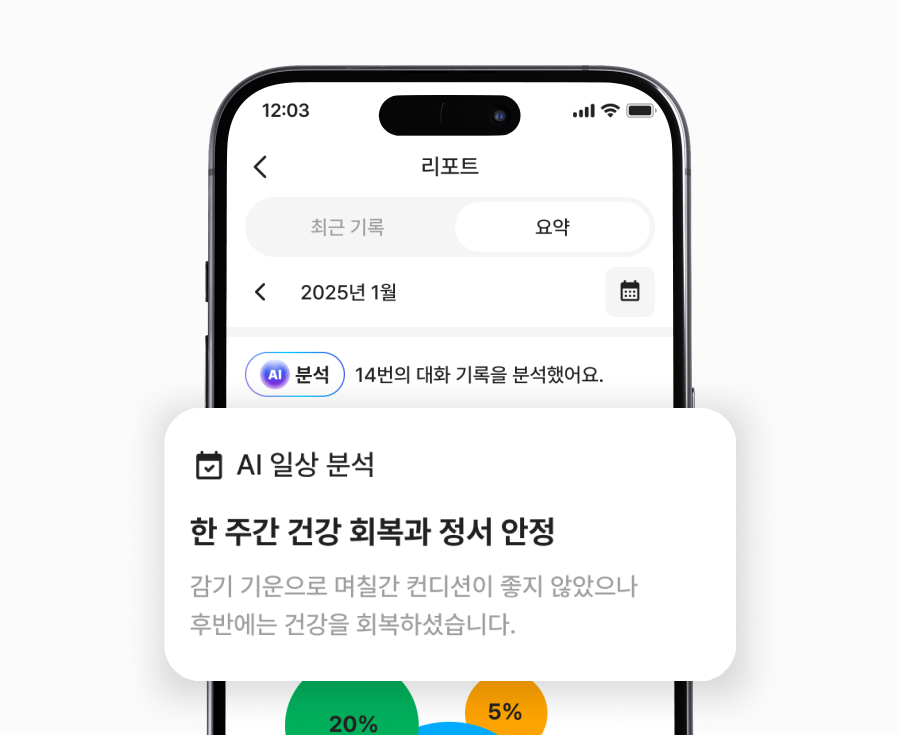
AI insight engine
AI analyzes conversation data and organizes key information about users into structured insights. By identifying patterns and changes within conversations, the system can understand daily conditions, emotional trends, and activity patterns. These insights help improve service quality and better understand users’ needs.
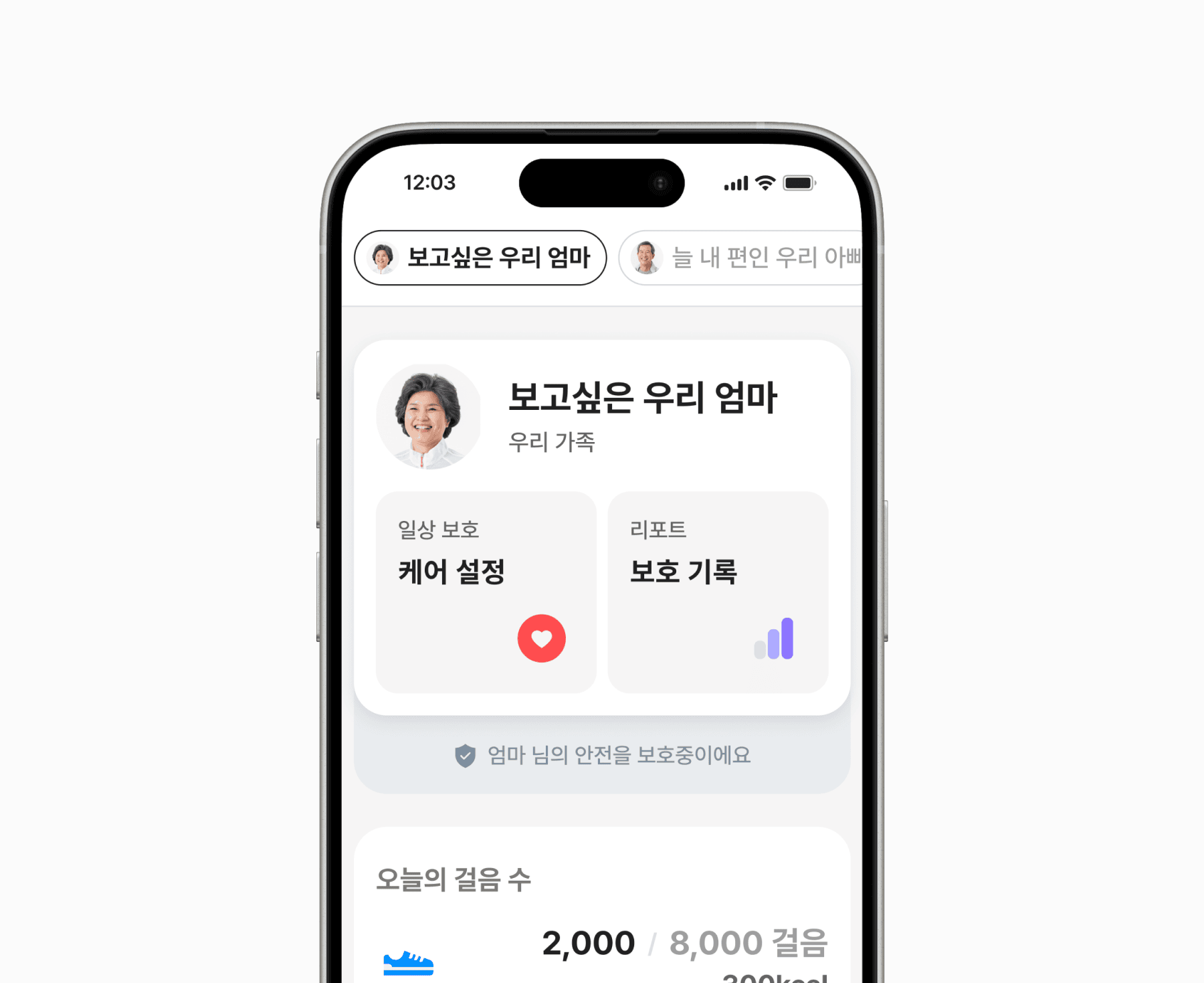

AI Family Care Call
AI Family Care Call is a remote care service where an AI companion regularly calls elderly parents living apart, checks in on their daily routines, health, and medication, and alerts family members in case of an emergency.


